Whole vs. Sliced: Master the Art of Freezing Bananas for Smoothies & Baking
The sight of a bunch of bananas slowly but surely turning speckled brown, then fully brown, then almost black on your countertop is a familiar one. It often sparks a twinge of guilt, followed by the inevitable question: "Do I have time to make banana bread this weekend?" Far too often, the answer is no, and those perfectly good, nutrient-rich bananas end up in the bin. But what if there was a simple, game-changing kitchen hack that could prevent this waste and ensure you always have bananas on hand for your favorite recipes?
Enter the art of freezing bananas. Learning how to freeze bananas is one of the most practical skills for any home cook, transforming impending food waste into a convenient, ready-to-use ingredient. Whether you're a smoothie enthusiast, a passionate baker, or simply someone looking to extend the shelf life of this versatile fruit, freezing bananas is your ultimate solution. From creamy 'nice cream' to moist banana muffins, the possibilities are endless once you've mastered the simple techniques.
Why Freeze Bananas? The Ultimate Kitchen Hack for Longevity & Convenience
Freezing bananas isn't just about preventing food waste, though that's a significant benefit. It's about unlocking a new level of culinary convenience and ensuring you're always prepared. Think about it: that ripe banana on your counter is perfect for today, but what about next week? Freezing hits the pause button, preserving their sweetness and nutritional value at their peak.
Firstly, it's a fantastic money-saver. You can buy bananas in bulk when they're on sale or approaching peak ripeness, knowing you won't lose them to spoilage. Secondly, it's a time-saver. Imagine wanting a quick smoothie after a workout – no need to wait for bananas to ripen or rush to the store. Just grab pre-portioned frozen slices and blend. For bakers, having ready-to-thaw, perfectly ripe bananas means less planning and more spontaneous baking sessions. This simple act of preservation significantly extends their usability, turning an easily perishable fruit into a long-lasting pantry staple. For more comprehensive insights into this method, consider reading How to Freeze Bananas: Stop Waste & Stock Up for Baking.
Choosing the Right Bananas for Freezing
The optimal time to freeze bananas is when they are perfectly ripe, or even slightly overripe with a few brown speckles. At this stage, their sugars have fully developed, resulting in maximum sweetness and flavor. Bananas will not continue to ripen once frozen, nor will they ripen significantly after being thawed. Freezing underripe bananas will yield a bland, starchy result, so patience is key! Look for that beautiful, speckled brown peel – that's your signal for peak freezing potential.
How to Freeze Bananas: Whole, Sliced, or Mashed for Every Need
The "best" method for freezing bananas really depends on how you plan to use them. The fundamental rule for all methods, however, is to *always peel your bananas before freezing*. Attempting to peel a rock-solid frozen banana is an exercise in futility and frustration.
Freezing Bananas Whole: Ideal for Baking & Egg Substitutes
Freezing bananas whole is the most straightforward method and an absolute lifesaver for bakers. This approach is perfect if your primary goal is making banana bread, muffins, cakes, or using them as an egg substitute in recipes. When thawed, whole frozen bananas become soft and mushy, making them incredibly easy to mash – precisely the consistency you want for most baked goods.
- Peel: Remove the banana peels completely.
- Place: Arrange the peeled, whole bananas in a single layer inside a freezer-safe bag or airtight container. To prevent them from freezing into an awkward clump, you might initially place the bag on a small tray (like a toaster oven pan) in the freezer until they are solid. This ensures they freeze flat and are easier to stack once firm.
- Seal: Press out as much air as possible from the bag before sealing to prevent freezer burn.
- Freeze: Once solid (typically 3-4 hours), you can remove the tray if used, and stack the bags.
Whole, peeled frozen bananas maintain their quality for approximately three months. When you're ready to use them, simply take out the required number and let them thaw on your countertop for an hour or two, or in the refrigerator overnight. They will be soft and watery, but don't drain the liquid – it's full of flavor and moisture that will enhance your baked goods.
Freezing Banana Slices: Your Smoothie & Topping Secret Weapon
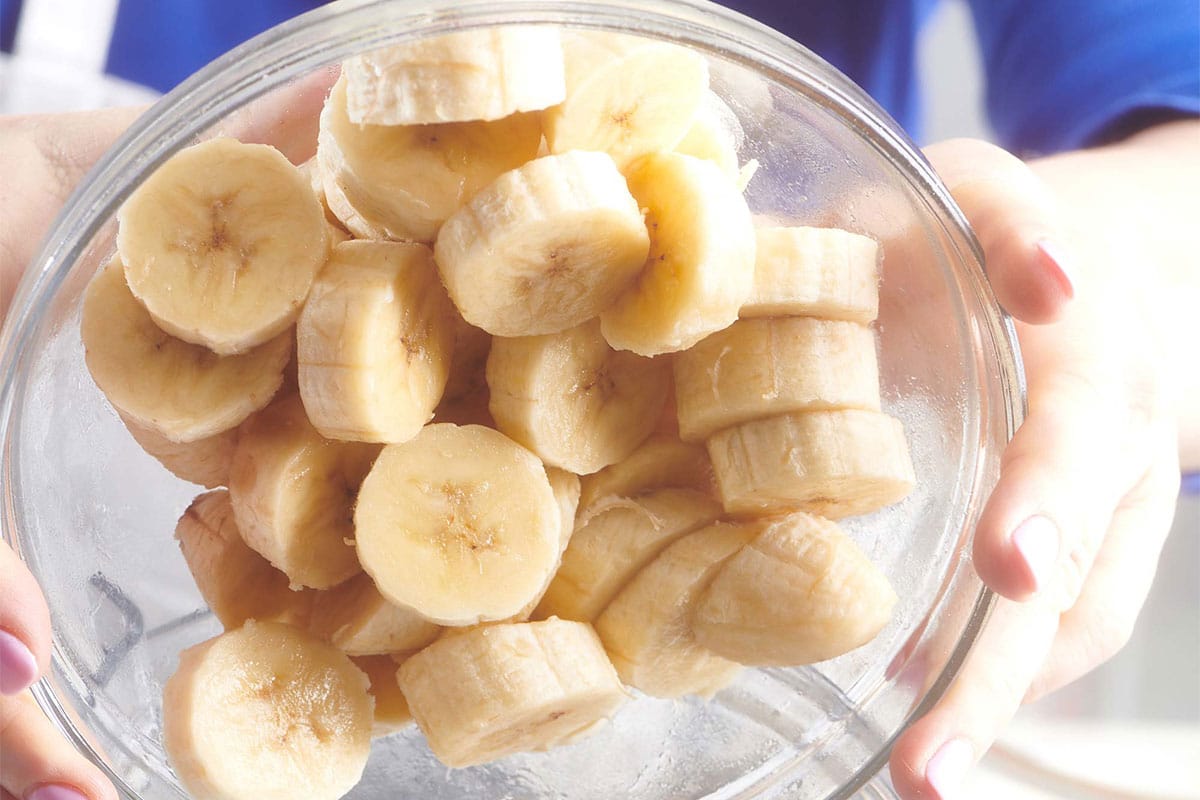
For those who frequently whip up smoothies, milkshakes, or need quick, bite-sized banana pieces, freezing bananas in slices or chunks is the superior method. This prevents you from having to hack away at a solid block of banana with a knife.
- Peel & Slice: Peel your ripe bananas and slice them into 1/2-inch thick rounds or bite-sized chunks.
- Flash Freeze: This is a crucial step to prevent sticking. Arrange the banana pieces in a single, even layer on a parchment-lined (or silicone mat-lined) baking sheet. Make sure the pieces aren't touching each other.
- Initial Freeze: Place the baking sheet in the freezer for 1-2 hours, or until the banana pieces are completely firm.
- Transfer & Store: Once solid, transfer the frozen banana pieces from the baking sheet into a freezer-safe bag or airtight container. Press out as much air as possible before sealing and labeling with the date.
Frozen banana slices are ideal for directly adding to your blender for a thick, cold smoothie without needing ice. They're also fantastic for garnishing dishes, adding to oatmeal, or creating 'nice cream.' Due to the increased surface area exposed to air, sliced bananas generally last about two months in the freezer before their quality begins to degrade, slightly less than their whole counterparts. This is why careful air removal is so important.
Freezing Mashed Bananas: Ultimate Convenience for Bakers
For the ultimate baking convenience, you can even freeze bananas that are already mashed. This is perfect if you know you'll be baking and want to skip the thawing and mashing step entirely.
- Peel & Mash: Peel the ripe bananas and mash them thoroughly with a fork or potato masher.
- Portion: Scoop the mashed banana into freezer-safe bags, ice cube trays, or small containers. If using bags, flatten them for easy stacking and quicker thawing.
- Label: Be sure to label each bag or container with the date and the volume (e.g., "1 cup mashed banana") for easy recipe integration.
- Freeze: Freeze until solid.
Mashed frozen bananas are ready to be added directly to your banana bread, muffin, or pancake batter after a quick thaw. This method is a fantastic way to streamline your baking process.
Pro Tips for Optimal Frozen Banana Storage & Usage
While freezing bananas is straightforward, a few expert tips can ensure you get the best quality and longest shelf life from your frozen fruit. These insights help maximize flavor and minimize waste.
- Remove Air Effectively: Whether using bags for whole, sliced, or mashed bananas, always press out as much air as possible before sealing. Air is the enemy, leading to freezer burn and a decline in quality. A vacuum sealer is ideal, but simply squeezing the bag tightly before sealing works well.
- Label and Date: This seemingly small step is crucial. Labeling your bags or containers with the date and content (e.g., "Banana Slices - 10/26") ensures you use them within their optimal timeframe and easily identify their form.
- Prevent Freezer Burn: The goal is to minimize air exposure. Beyond removing air from bags, ensuring the bananas are completely firm during the flash-freeze step for slices creates a protective barrier.
- Thawing Best Practices: For whole or mashed bananas destined for baking, thaw them in the refrigerator overnight or on the counter for a few hours. Expect a watery consistency, which is normal and desirable for baking. Sliced bananas for smoothies can often be used directly from the freezer without thawing.
- Don't Fear the Color Change: Frozen bananas, especially whole ones, may turn a darker color (greyish or blackish) on the outside. This is a normal oxidation process due to enzyme activity and doesn't affect their flavor or safety once thawed.
By following these expert recommendations, you'll be able to preserve your bananas effectively and enjoy them for weeks or even months to come. For more detailed advice on extending the life of your frozen produce, explore The Right Way to Freeze Bananas: Expert Tips for Longevity.
Unleashing the Power of Frozen Bananas in Your Kitchen
Now that you know how to freeze bananas in various forms, it's time to unleash their full potential in your kitchen. This humble fruit, once rescued from the brink of spoilage, becomes a culinary superstar.
- Smoothie & Shake Sensation: This is arguably the most popular use. Frozen banana slices add incredible creaminess, natural sweetness, and a frosty texture to any smoothie or milkshake, eliminating the need for ice. Try a classic chocolate peanut butter banana smoothie or a refreshing strawberry banana blend.
- Baking Brilliance: Thawed and mashed frozen bananas are the secret to exceptionally moist and flavorful banana bread, muffins, pancakes, and even banana cakes. Their intense sweetness means you might even be able to reduce added sugar in some recipes. They also perform wonderfully as an egg substitute in many vegan baking recipes.
- Healthy Desserts & Treats: Blend frozen banana slices in a food processor until smooth for instant 'nice cream' – a delicious, dairy-free, single-ingredient dessert. You can also use them as a topping for yogurt, cereal, or in fruit tarts for a touch of natural sweetness and texture.
From simple breakfast additions to gourmet desserts, frozen bananas are an invaluable ingredient that simplifies cooking and baking while reducing food waste. They truly are one of the most versatile items you can keep stocked in your freezer.
Mastering how to freeze bananas is more than just a kitchen trick; it's a testament to smart food management and an investment in future deliciousness. By taking a few simple steps, you can transform those rapidly browning bananas into a versatile ingredient ready for your next smoothie, baking project, or healthy treat. Never again will you have to toss an overripe banana. Instead, you'll always have a supply of perfectly sweet, ripe bananas at your fingertips, ready to elevate your culinary creations and ensure zero waste.
