How to Freeze Bananas: Stop Waste & Stock Up for Baking
Few kitchen dilemmas are as universally relatable as the sight of a browning bunch of bananas on the counter. One day they're perfectly yellow; the next, they're speckled, then spotted, and suddenly, you're faced with the "make banana bread or toss them" ultimatum. But what if there was a simple, genius solution that let you sidestep food waste entirely and ensure you always had a stash of this versatile fruit ready for your culinary whims? There is: learning how to freeze bananas. It's an effortless kitchen hack that transforms overripe fruit into a freezer-friendly goldmine, perfect for everything from smoothies to your favorite baked goods.
Bananas are incredibly adaptable. They enrich smoothies with creaminess, add natural sweetness to muffins and quick breads, and can even act as a clever egg substitute in vegan baking. Instead of feeling guilty about those rapidly ripening beauties, embrace the simple process of freezing them. Whether you've accidentally bought too many, or just want to be perpetually prepared for a spontaneous baking session or a quick breakfast smoothie, freezing bananas is your answer. This guide will walk you through the best methods, ensuring you preserve their flavor and texture, ready for their next delicious transformation.
Why Freezing Bananas is a Game-Changer for Your Kitchen
The primary advantage of freezing bananas is undoubtedly waste prevention. Those soft, sweet bananas that are past their prime for eating raw are actually at their peak for freezing. Their sugars have fully developed, making them intensely flavorful and ideal for baking or blending. But the benefits extend far beyond just saving food from the bin:
- Convenience: Imagine always having perfectly ripe bananas on hand, no matter the season or your grocery shopping schedule. Frozen bananas eliminate the wait for ripening and the rush to use them before they spoil.
- Perfect for Baking: Overripe bananas are the secret to moist, flavorful banana bread, muffins, and cakes. Freezing them locks in this ideal ripeness, ensuring your baked goods are always deliciously sweet and tender.
- Smoothie Perfection: Frozen banana slices add an unbeatable creamy texture and natural sweetness to smoothies, often eliminating the need for ice and making your drink thicker and colder.
- Cost-Effective: Buy bananas in bulk when they're on sale, or simply freeze the ones you can't eat, saving money in the long run.
- Healthy Snacking: Blend frozen bananas into "nice cream" for a guilt-free dessert or use them in energy bites.
The key to successful freezing starts with selecting the right bananas. You want them to be ripe, ideally with brown speckles. While slightly green bananas won't ripen further in the freezer, those with speckles indicate maximum sweetness and flavor, which is exactly what you want to preserve for optimal results in smoothies and baking.
Preparing Your Bananas for the Freezer
Regardless of how you plan to use your frozen bananas, the initial preparation steps are crucial for ease of use and maximum longevity. Following these simple steps ensures your frozen fruit is ready for anything:
- Choose Ripe Bananas: As mentioned, look for bananas that are yellow with distinct brown speckles. These have the most developed flavor and sweetness, perfect for freezing. Avoid freezing completely green bananas, as they won't ripen in the freezer and will retain a starchy, unripe taste.
- Peel Them First: This is perhaps the most important rule when learning how to freeze bananas. Trying to peel a rock-solid, frozen banana is a frustrating (and often messy) endeavor. Always peel your bananas before freezing, no matter the method.
- Consider Your Future Use: Before you cut, think about what you'll typically use the bananas for. This will determine whether you freeze them whole, sliced, or even mashed.
Three Smart Ways to Freeze Bananas
The "best" way to freeze bananas depends entirely on how you intend to use them. Each method offers distinct advantages for specific culinary applications. Here's a breakdown:
1. Freezing Sliced Bananas: Perfect for Smoothies & Snacks
This is arguably the most popular method, especially for smoothie enthusiasts. Sliced frozen bananas blend easily and are ready to toss directly into your blender.
- Preparation:
- Peel your ripe bananas.
- Slice them into uniform 1/2-inch to 1-inch thick rounds. Keep the size consistent for even freezing.
- Arrange the banana slices in a single, even layer on a parchment paper or silicone mat-lined baking sheet. This step is critical to prevent them from freezing into one giant clump.
- Place the baking sheet in the freezer for 2-4 hours, or until the banana pieces are completely solid.
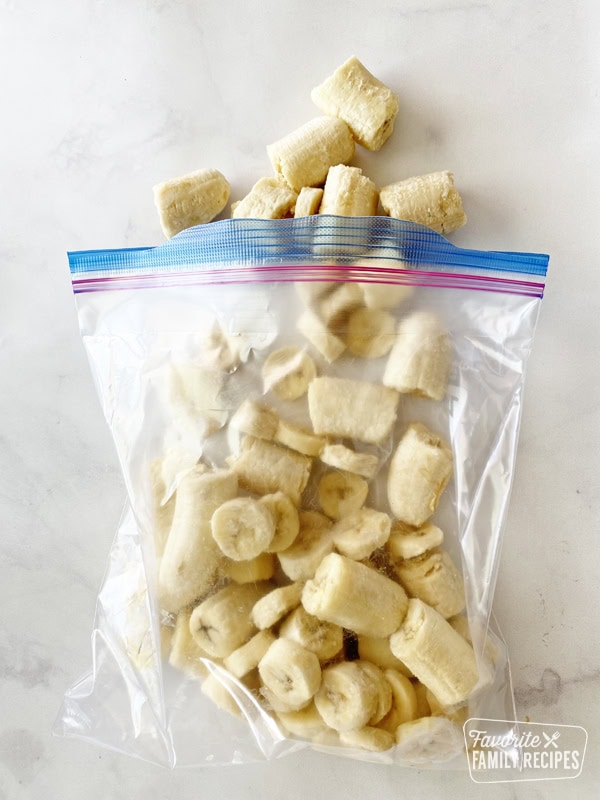
- Once firm, transfer the individual frozen slices into a freezer-safe bag or airtight container. Press out as much air as possible before sealing to minimize freezer burn.
- Label the bag with the date.
- Best For: Smoothies, milkshakes, "nice cream," quick snacking, or garnishing desserts like banana tarts or oatmeal. The individual pieces are easy to grab and measure.
- Longevity: Frozen sliced bananas typically maintain their quality for about two months. Chef-instructors explain this shorter shelf life compared to whole bananas is due to the increased surface area exposed to air, which can lead to oxidation and freezer burn more quickly.
- Expert Tip: For more insights on choosing the right method for your needs, you might find our detailed comparison on Whole vs. Sliced: Freeze Bananas for Smoothies & Baking particularly helpful.
2. Freezing Whole Bananas: Ideal for Baking & Egg Substitutes
If your primary goal is to stock up for banana bread, muffins, or using bananas as an egg substitute, freezing them whole (after peeling) is an excellent choice. This method is simpler, though requires thawing before use.
- Preparation:
- Peel your ripe bananas.
- Place the whole, peeled bananas in a single layer into a freezer-safe bag. To prevent them from freezing into an awkward shape, you can initially lay the bag flat on a tray (like a toaster oven pan) in the freezer until the bananas are solid.
- Once solid, you can remove the tray and store the bag more compactly in the freezer. Press out any excess air before sealing the bag.
- Label the bag with the date.
- Best For: Banana bread, muffins, cakes, pancakes, or as a vegan egg substitute in baking (once thawed and mashed).
- Longevity: Whole, peeled frozen bananas tend to last longer than sliced ones, often retaining quality for up to three months. Their reduced surface area exposure helps protect them. If they do freeze together, they're usually easy to snap apart.
- Thawing & Using: Thaw whole frozen bananas in a bowl on the counter for a few hours or in the refrigerator overnight. They will become very soft and release liquid; this is normal. Simply drain any excess liquid and mash them for your recipe. Their texture will be perfect for baking.
- Expert Tip: For more detailed advice on extending the life of your frozen fruit, consider reading The Right Way to Freeze Bananas: Expert Tips for Longevity.
3. Freezing Mashed Bananas: Ready for Baking in a Flash
This method is fantastic if you frequently bake and want to save time, or if you prefer precise portioning. It skips the thawing and mashing step later.
- Preparation:
- Peel your ripe bananas.
- Mash them thoroughly with a fork or potato masher in a bowl until smooth or slightly lumpy, depending on your preference.
- Measure out your desired portions (e.g., 1/2 cup or 1 cup, often equivalent to 1-2 medium bananas).
- Scoop the mashed banana into freezer-safe bags, small airtight containers, or even ice cube trays for smaller portions. If using bags, flatten them for easy stacking and quicker thawing.
- Remove as much air as possible from bags and seal.
- Label with the date and the volume of mashed banana.
- Best For: Any baking recipe that calls for mashed bananas, baby food, or portioning for specific recipes.
- Longevity: Similar to whole bananas, mashed bananas can last up to 2-3 months in the freezer when properly stored.
- Thawing & Using: Thaw portions in the refrigerator overnight or on the counter for a few hours. For quick thawing, you can place a sealed bag under cool running water.
Tips for Storing & Using Your Frozen Bananas Effectively
- Always Label and Date: This can't be stressed enough! Freezer burn isn't just a myth; it's a real enemy of quality. Knowing when your bananas were frozen helps ensure you use them at their peak.
- Remove Air: Air is the enemy of frozen food. Whether using bags or containers, minimize air exposure to prevent freezer burn and maintain flavor.
- Don't Forget Them: While freezing extends their life significantly, make it a habit to cycle through your frozen banana stash. Set a reminder or keep a running list on your freezer door.
- Direct Use for Smoothies: For smoothies, there's no need to thaw sliced frozen bananas. Just toss them directly into your blender with other ingredients.
- Thawing for Baking: When thawing whole or mashed bananas for baking, expect them to be a bit watery. This is normal; simply drain any excess liquid before using, or incorporate it if the recipe can handle the extra moisture. The texture might be mushy, which is exactly what you want for recipes like banana bread.
- Creative Uses: Beyond the obvious, try blending frozen bananas with a touch of cocoa powder or peanut butter for a healthy "ice cream," incorporating them into energy balls, or making frozen banana "nice cream" sandwiches.
Conclusion
Mastering how to freeze bananas is more than just a kitchen trick; it's a testament to smarter, more sustainable cooking. By embracing this simple practice, you eliminate food waste, unlock unparalleled convenience, and ensure you're always prepared for healthy smoothies, delectable baked goods, and creative desserts. So, the next time you see those tell-tale brown speckles appearing on your bananas, don't despair—rejoice! You're just a few simple steps away from transforming them into a valuable freezer staple that will serve your culinary adventures for weeks to come. Stock up, stop waste, and savor the sweet success of a well-organized freezer.
